
Social That Moves People: Q&A with Wondros Social Media Directors on Building Mission‑Driven Connections

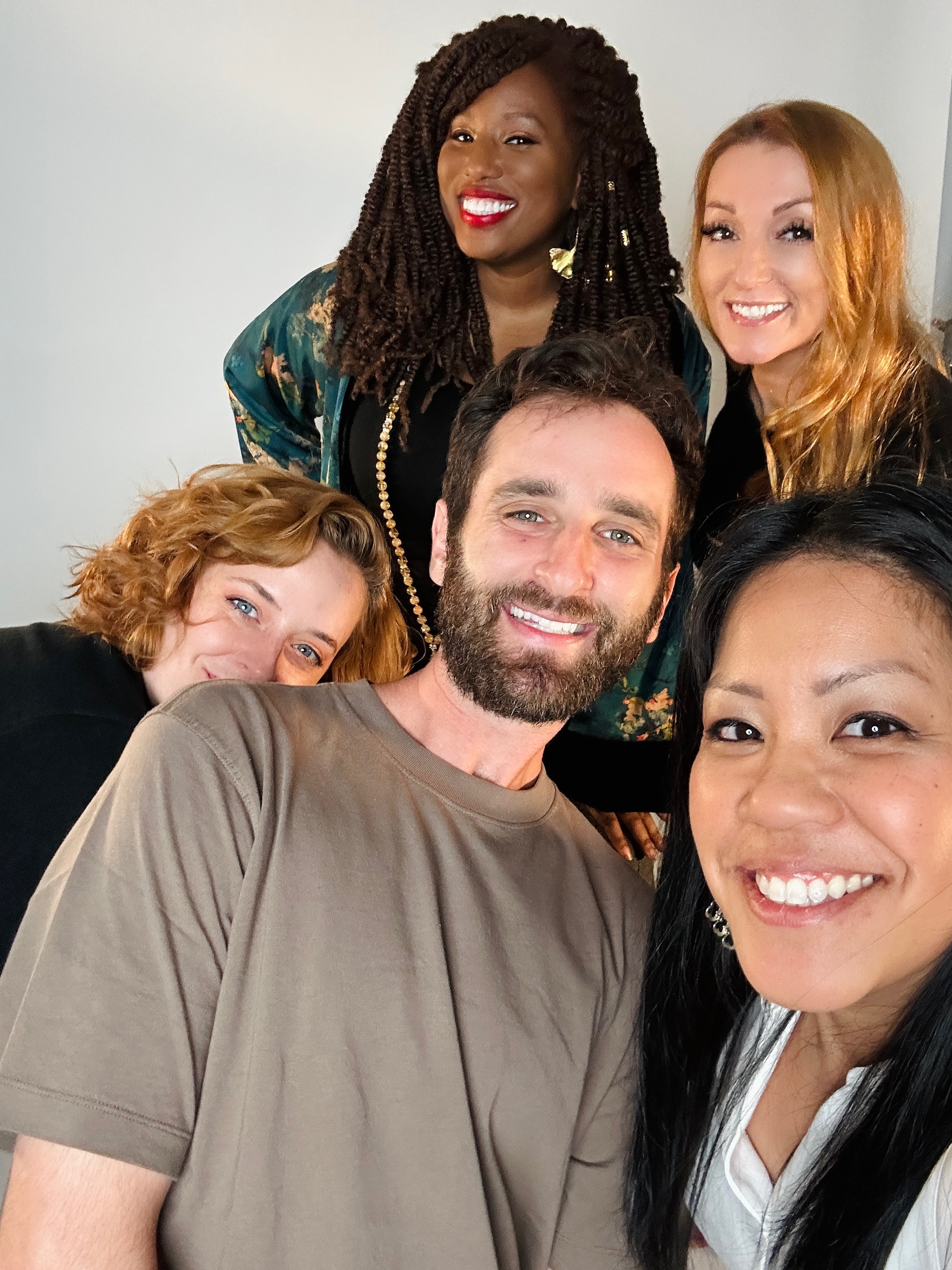
Mission‑driven organizations face a unique challenge on social media: how do you cut through the noise without losing sight of why you’re there? At Wondros, we believe social platforms can do more than deliver impressions—they can create real change and lasting impact.
We sat down with Wondros’s Senior Directors of Social Media—Daria Benedict and Tiah Carter—two industry leaders and innovators in platform-native strategy, creative storytelling, and audience engagement. With experience at organizations like OWN, The Tonight Show with Jay Leno, Participant Media, YouTube, The Huffington Post, and Tribune Media, they bring a deep understanding of what it takes to break algorithmic bubbles, build authentic communities, and drive real impact.
They shared insights on how mission-driven organizations can turn strategy into platform-native creativity, make the case for social across teams, and stay true to their values while growing meaningful engagement.
Q: What do you think is the most common mistake organizations make when using social media for advocacy?
Daria Benedict: Too many organizations treat social media like a megaphone. They broadcast their message, post after post, but forget that real impact doesn’t come from shouting into the void—it comes from conversation.
Advocacy isn’t a solo act. It’s communal. When organizations use social only to inform and not to engage, they miss the opportunity to build trust, spark dialogue, and truly move the needle on an issue. The most successful campaigns I’ve seen are the ones that invite and factor in participation—not just attention.
Q: How do you approach translating a campaign’s core strategy into a social-first creative approach?
Tiah Carter: I start by getting really clear on the campaign’s core strategy: what we’re trying to achieve, who we’re trying to reach, and what success looks like. From there, I think about how that strategy translates into real behavior on social; what will actually resonate, stop the scroll, and spark engagement.
Then it’s about building creativity that’s native to each platform. I look at how the message can show up in a way that feels authentic, whether that’s a trending format, creator collaboration, or an opportunity to build community around a shared moment or value.
Throughout, I’m constantly listening to the data—what’s performing, what’s not, and where we can optimize. That ensures we’re not just making content that looks good, but content that drives the right outcomes and ties back to our core performance goals. It’s always a balance between staying true to the strategy and being nimble enough to adapt in real time.
Q: Social media algorithms are designed to reinforce people’s existing perspectives. How can organizations trying to create positive change break through algorithmic bubbles?
DB: Algorithms reward sameness—but change requires disruption.
To break through echo chambers, you have to reach beyond your base. That means tapping into emotionally resonant storytelling—the kind that makes someone pause, feel something, and want to share it with someone outside their usual circles. Research backs this up: content that elicits awe, anger, or inspiration travels faster and farther.
You also have to go beyond likes and lean into engagement-driven content: ask questions, run polls, use interactive stickers, and—most importantly—respond. One of the greatest campaign tactics I’ve learned is to give people a call to adventure. Make it clear that they are part of a movement—one that can help create real change—if they participate. Create space for people to talk with you, to join you in your efforts, not just to talk about you.
Ultimately, great social teams are always experimenting and gathering new data about an audience. You have to take big swings regularly, even if you miss sometimes. If you’re not missing once in a while, you’re not trying hard enough! Lean into things like the power of influencer collaborations and diverse content formats—reels, threads, carousel explainers, even memes—actually, especially memes! They are the great equalizer, and humor is one of the top-performers for social content when it comes to awareness and engagement. The more you diversify your tactics, the better your odds of cracking the algorithmic shell.
Q: What do you wish more leaders understood about the role of social media in today’s comms landscape?
TC: I wish more leaders understood that social content works best when it feels authentic. People don’t come to social platforms to be marketed to; they’re there to be entertained, informed, or inspired. If your content doesn’t feel like it belongs in the feed, it gets ignored. The best-performing social content meets audiences where they are, speaks their language, and feels like a natural part of the conversation, not a corporate broadcast. When done right, social isn’t just a distribution channel—it’s a powerful way to build trust, shape perception, and create real connection.
Q: If you had to give one piece of advice to mission-driven organizations about their social strategy for 2025, what would it be?
DB: Build community, not just content.
2025 will belong to organizations that create a sense of belonging. People aren’t just following causes anymore—they’re following communities that make them feel seen, valued, and empowered to take action. They want to make sure they support brands whose values align with their own.
The platforms may evolve, but the human instinct to connect? That’s timeless. If your strategy isn’t rooted in relationship-building, it’s time for a reboot.
Q: Social can often be deprioritized—or siloed—within large institutions. How do you advocate for social’s value across a bigger org?
TC: For me, the proof is in the pudding. When social is done strategically, it drives real results that support broader organizational goals, whether that’s awareness, engagement, recruitment, fundraising, or conversion. I advocate by showing that value through clear reporting, smart testing, and surfacing insights that other teams can use.
Social shouldn’t sit in a silo. I make a point to connect with teams across the organization including comms, marketing, product, partnerships etc. to understand their priorities and show how social can support them. When we bring social in early, we can create more cohesive campaigns and amplify impact across the board.
Q: If you could change one mindset about social media inside mission-driven organizations, what would it be?
TC: I’d shift the mindset that social media is just a marketing tool. In mission-driven organizations, social has the power to do so much more. When used well, it can educate, inspire action, build community, and change hearts and minds. Mission-driven content can and should be entertaining and that doesn’t mean watering down the message, it means showing up in ways that feel relevant and engaging. Social is often the first touchpoint someone has with your mission, so it’s worth investing in content that moves people, not just informs them.
Q: What’s a recent campaign or post format you’ve seen cut through the noise? Why do you think it worked?
TC: Ryan Coogler’s 10‑minute video promoting the film Sinners is a great example of something that really cut through the noise by prioritizing depth and authenticity. Instead of doing a traditional promo, he shared behind‑the‑scenes storytelling that gives you a genuine look into the creative process so it feels personal and engaging.
Hearing directly from him as the director built a sense of authority and authenticity—it felt like he was sharing rather than selling. And even though it was a 10‑minute piece, it had purpose; it gave him space to offer real insight without ever losing the audience’s attention. On top of that, his breakdown of film types was both educational and entertaining, which added value, sparked conversation, and made it highly shareable.