
Storytelling as a Catalyst for Social Policy Change: A Q&A with Wondros President Kiersten Todt
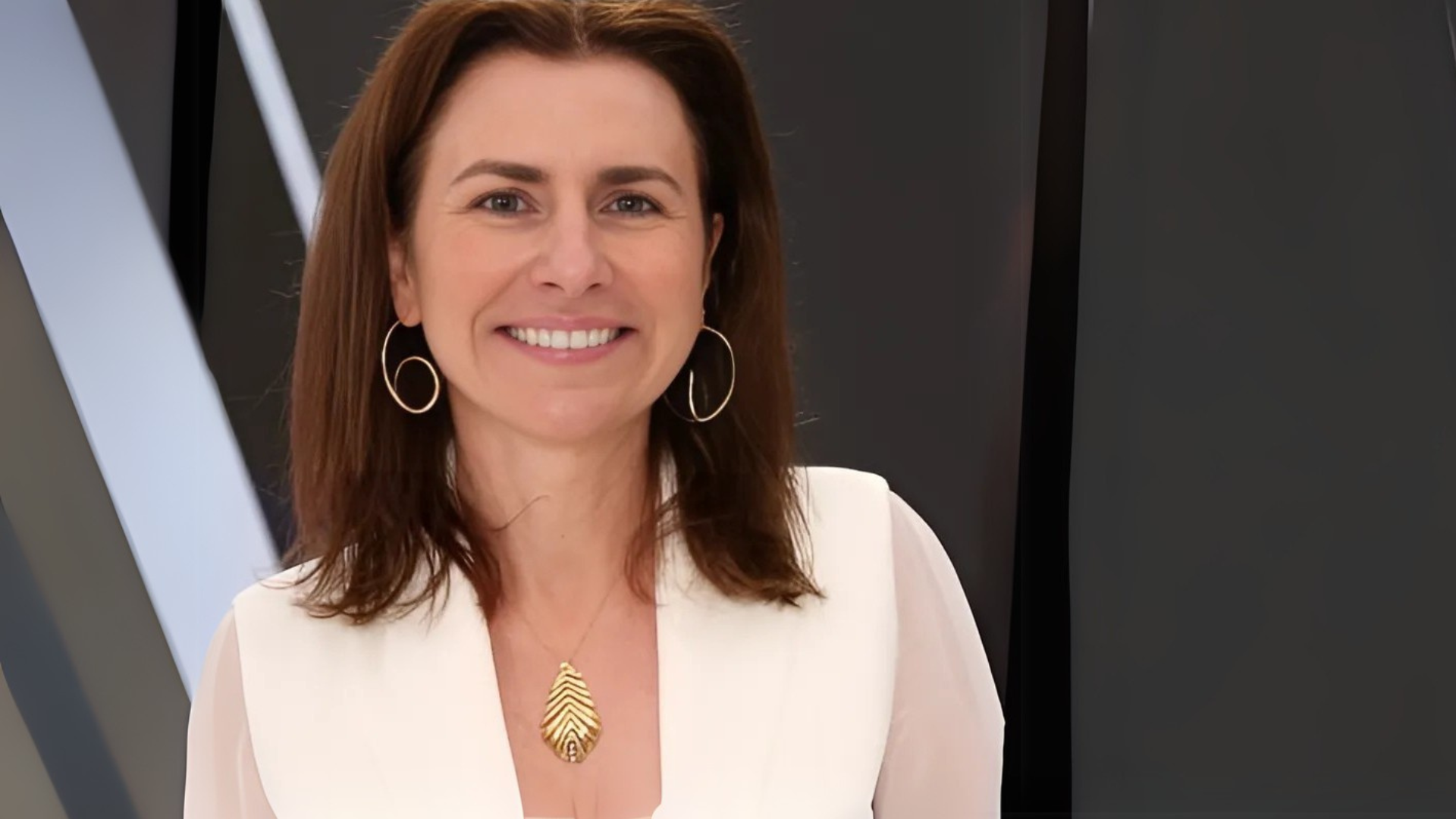
In an era where federal policy-making may face new challenges, the most impactful social change is increasingly happening at the state, local, and community levels. Stories have always been a powerful force for shaping perspectives, driving empathy, and mobilizing action. Yet today, as Kiersten Todt, Wondros’s president, insightfully notes, the need to harness storytelling as a bridge between communities and actionable policy has never been greater.
Q: Why do you believe storytelling plays such a critical role in shaping social policy today?
Kiersten Todt: Policy is always informed by storytelling. And social policy progress is going to happen at the state, local, and community level. Unlike federal mandates, which often struggle to address the nuanced needs of diverse populations, local storytelling allows for tailored solutions that resonate with specific communities.
When we’re looking at how we can have an impact in this current environment, it’s about connecting to people’s stories and really understanding that we are a fabric of millions and millions of stories that probably have much more commonality among them than maybe we appreciate. I think storytelling helps us understand nuanced experiences and shows us where we need to focus, and if we understand people’s stories, we as a company have a tremendous opportunity to tune into what people are looking for, what is impacting them, what they need, and we’ll be able to see where we can serve those ideas, those needs, and the voices that aren’t heard.
For example, we’ve seen how historical injustices like the Tuskegee experiment created distrust in healthcare systems among certain demographics. Stories like these underscore the importance of building trust and addressing systemic inequities in a culturally sensitive way.
Q: How does Wondros approach storytelling in a way that makes it actionable?
Kiersten Todt: When we listen, we can help people and organizations articulate and define what they are actually looking to achieve. It’s not about outputs; it’s about outcomes. The distinction is so critical. By focusing on the desired impact rather than just deliverables, we ensure that the work we do drives meaningful, measurable change.
Q: Can you give an example of how listening and empathy shape the process?
Kiersten Todt: You can’t design anything for someone or an organization unless you know who they are and what they are, and we learn more in human engagement than in any data set. Human Centered Design is often talked about like it’s a process – but it’s actually about caring for people taking the time to look someone in the eye, understand what they’re really saying – and not just what their words are saying, but what they say when they hesitate, when they don’t talk, when they look away. It’s an investment in what a person is bringing to the table, asking the right questions, and waiting for the answers to reveal themselves in the quiet spaces between their sentences. What we’re looking to do is to take that human experience and be able to create information from it, like what is their goal? What is the outcome that a group is looking to achieve? What is the issue that they’re focused on? I think one of the things that’s so powerful about how we do our work is when we listen, we can help people and organizations articulate and define what it is they’re actually looking to achieve.
Our work is really about the people – not a process, not a template. A lot of times when you’re doing research, you have to make assumptions. When we work with communities, we don’t make assumptions. We look and we seek to show up where they are, because the work we create reflects their real needs and motivations. We’re asking them questions, we’re listening, and we’re very open to how we can be proven wrong and to understanding how assumptions can be disproved. That’s how we design something that truly resonates. It’s a slower process, but it’s worth it.
Q: How do you see local storytelling fitting into the broader policy landscape?
Kiersten Todt: Federal policy-making is complex and often disconnected from the realities of everyday life. It’s hard to create a national policy for people’s well-being because everybody’s experience is different. That’s why I believe social policy progress is going to happen at the local level.
At Wondros, we see an opportunity to weave a fabric of impact that starts with these local stories. When you amplify voices at the community level, you’re building something bigger—a movement that can influence state and even national policies over time. It’s about creating a chain reaction of empathy and understanding that drives systemic change.
Q: What do you think organizations can do to implement storytelling more effectively?
Kiersten Todt: Social policy, change, and impact really does have to happen with organizations, and organizations need to prioritize listening. Our work is so much about really seeing where people are and understanding what those needs are. It’s not just about hearing what someone says but understanding what’s behind their words. This means approaching the process with humility and being willing to adapt based on what you learn.
I also think it’s crucial to align storytelling with action. Hope, for instance, is a powerful motivator, but it’s not a strategy. The challenge is taking that hope and translating it into tangible goals and outcomes. That’s where storytelling and policy intersect most effectively.
Q: What is Wondros’s role in advancing community-level storytelling?
Kiersten Todt: At Wondros, we see ourselves as translators—helping organizations distill complex issues into narratives that inspire action. By amplifying these stories, we not only help communities find their voice but also provide policymakers and decision-makers with the insights they need to create meaningful change.
Our work is rooted in empathy, listening, and a commitment to serve. We’re not just telling stories; we’re helping to bridge the gap between communities and the policies that affect them.